My thoughts on exclusive pumping
I have to get something off my chest. I've seen many moms on social media talking about switching to exclusive pumping, and it makes me a little sad. Yes, there are situations which exclusive pumping is the best or only option. But it seems like so many moms are not getting the support they need and having trouble with directly latching so they think it will just be easier to switch to exclusive pumping. If this sounds like you, here are some things I want you to know:
1. Exclusive Pumping is HARD. In order to keep producing you have to be disciplined with your routine. You'll be pumping at least every 3 hours, possibly through the night as well depending on your situation and output. You have to have your pump with you all the time and if you go out you'll have to find a spot with an outlet and privacy to pump. If you can pump out in the open in public, you are amazing and I want to meet you...but for most people including myself, pumping in public is just not going to happen even though I'm totally fine breastfeeding in public.
Sidenote-with the wearable pump options, this may be a mute point.
But you'll still have to store the milk and clean your parts if you are out for an extended period of time. Not to mention that they are a big investment.
Unless you have a super chill baby, you will have to figure out how to keep baby calm and occupied while you are pumping. This will be the case 8 times per day give or take. One of my favorite parts about nursing a young baby was being able to just zone out while he was feeding if you are not able to do this, keep reading).
Your milk is best straight from the tap, and it is not quite the same when it is pumped and then given to baby. When your baby is at the breast, your body is getting signals for what antibodies to provide, and creating the composition of the milk based on baby's age. Any human milk is still sooooo good for babies, but I want to point out that pumped milk is just not going to be quite the same.
Breastfeeding is really good for facial development. Did you know that in the first 4 months, baby's head grows faster than at any other time in their life? This means that the mouth and all of the other facial structures are growing as well. Breastfeeding supports optimal growth.
For more about this, I highly recommend a book by Diane Bahr called "Nobody Ever Told Me That!"
Support is available! If latching is the main issue, there could be an oral restriction or various other issues. I think a lot of moms blame themselves, but it's not your fault. Breastfeeding is hard and you don't have to struggle alone.
Here is a big one...some lactating people are just not going to be able to maintain their supply with exclusive pumping. The baby nursing gives the best stimulation to tell your body to make milk and the pump does an ok job but it may not be sustainable. This can vary widely from one individual to another.
I know there are voices out there, even medical professionals, that might tell you "oh, latching isn't going so well, how about just pumping" and as someone who heard that and questioned whether I was getting his tongue tie released just for me and felt like I might be being selfish
—IT IS NOT SELFISH TO WANT TO FEED YOUR BABY DIRECTLY AT THE BREAST. There are long lasting health and emotional benefits to breastfeeding for both you and your baby. It's completely normal to have challenges and support is out there. If vou aren't finding what vou need, keep looking.
If you are an exclusive pumper by choice, you are awesome and keep on pumping! This post is not meant to shame anyone who pumps whether it is exclusively or partially. Pumping is breastfeeding. If you want to be breastfeeding and need help, I'm here for you. If you want to continue exclusive pumping and need support with milk supply or other issues I'm here for you as well! The bottom line is support is available to help you reach YOUR goals.
Sources: https://www.cham.org/HealthwiseArticle.aspx?id=te6295
Milk Composition with Older Nurslings
Recently I had my milk tested by Lactation Lab. I have a 20 month old and 4 year old (almost 5... eek!) who both nurse. The current research shows that after a year, the composition of breastmilk becomes more fatty and the carbohydrate concentration decreases.
My milk sample was consistent with this. My milk had a whopping 26 calories per ounce (!). The typical infant formula or younger infant breastmilk has around 20 calories per ounce and whole milk has about 19 calories per ounce.
My milk also had 1.5 grams of fat per ounce, compared with an average of 1.3 grams in infant breastmilk or formula, and 1 gram in whole milk.
This makes more feel so great about providing this nutrition to my boys! THERE IS ABSOLUTELY NO NUTRITIONAL REASON TO SWITCH TO COW'S MILK FROM BREASTFEEDING AT 1 YEAR OLD. (Or ever). It is an option, but not a requirement.
Anxiety about milk supply or composition is extremely common.
Ultimately your baby's weight trajectory and diaper output are the most basic and informative ways to measure if you baby is getting what they need. If you are worried about your baby's intake I can't recommend highly enough to have a one on one consultation with a lactation professional.
In some cases doing an analysis of your milk might be beneficial and it is awesome that Lactation Lab has this option that you can do at home!
If you have sampled your milk or you do it in the future will you let me know your results? I would love to know how it goes and whether it helped you make adjustments in your diet that helped your baby.
Nurse on, mama!
The Cost of Formula
I don't think we talk about this enough...formula is expensive! The cost is estimated to be $1200-$1500 over the first year. That's over $100 per month-what could you do with that extra cash?
Not to mention other expenses-formula fed babies are more likely to need to go to the doctor for sick visits. This could result in parents missing work too.
In 2022 with all of the supply chain issues, many families had trouble getting the type they need, regardless of the cost. There is also the risk of contamination or having to deal with a recall.
Some people argue that breastfeeding has a different cost, the time. I don't disagree with that, but no matter how you feed your baby, caring for them is a full time 24/7 job. If you formula feed, you may have to spend more time soothing your baby in other ways. Breastfed babies are calmed just by suckling at the breast. Even if they aren't hungry, a lot of times they will look for that comfort. You may be able to find ways to relax while breastfeeding, which is a lot harder if you are feeding from a bottle.
If breastfeeding is challenging for you to the point where you are considering switching to formula, not because you want to but because you don't see any other options, I am here to help.
This can be a touchy subject and at the end of the day, YOU have to do what is right for YOUR family. You're the boss! I hate to hear about someone not having enough support and not having a choice but to do formula. I feel compelled to help so if you feel like this is you, reach out!
Sources:
Stuebe A. The risks of not breastfeeding for mothers and infants. Rev Obstet Gynecol. 2009 Fall;2(4):222-31. PMID: 20111658; PMCID: PMC2812877.
To switch…or not?
Ok so you've got two of these milk making breasts and one baby (unless you have multiples-totally different ballgame when it comes to this topic), how do you know when and why to switch sides? There are many factors to consider. You probably don't want to end up lopsided with one side way bigger than the other.
In the first week or two, newborns might feed on only one side per feeding. After that it is typical for babies to nurse on both sides each feeding. They suck the strongest on the first side they feed on, so that means they send the most of those signals to your body to make more milk. A key to keeping things as even as possible is alternating the side that you start the feeding on.
If you ever start to feel like you are getting lopsided, you can start on the lower producing side first more often.
There isn't a magical amount of time baby needs to feed on each side.
Babies get most of their milk in the first 5-10 minutes of the feed, so 5 minutes is a rough idea of a minimum amount, but now don't go off setting a timer! Each individual case is different and the best thing to do is read your baby's cues.
Once your baby unlatches themself or slows down on their sucking or seems to start getting a little frustrated that the milk isn't coming out are all good times to switch sides. Sometimes you may even switch back again to the first side, that's fine!
Having trouble managing feedings and knowing if your baby is getting enough milk? I'm available to help one on one, either virtually or in home in the Boston area. Did you know that lactation consultations are often 100% covered by insurance?! Click here to book now.
Prime Day 2025
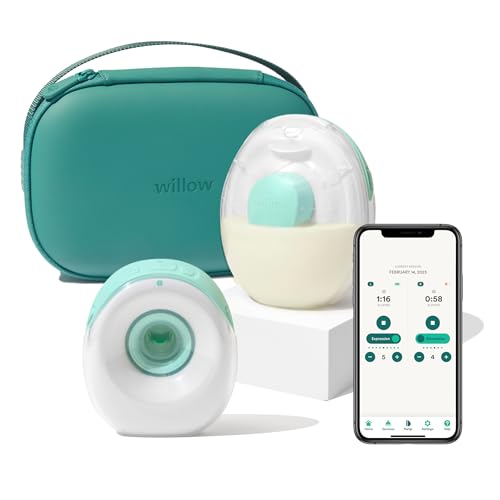
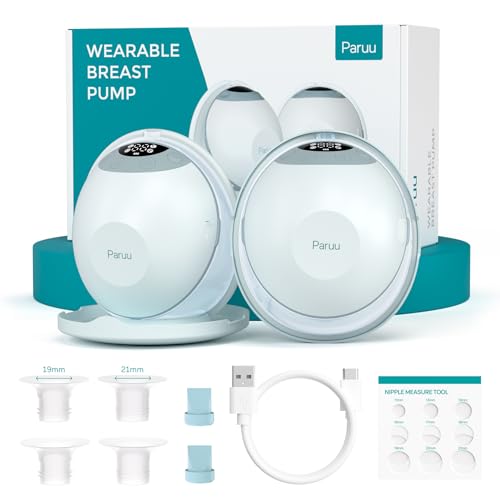
I normally think prime day is kind of a scam, but I looked and there are some legit deals right now!
Some of these like the Elvie and Willow Go I have NEVER seen this low.
If you are looking for a wearable, or just want to stock up on other basics for breastfeeding, check out these deals.



8 Helpful Tips for Breastfeeding During the Summer

Summer brings sunshine, vacations, and a more relaxed pace—but it also brings heat, humidity, and potential challenges for breastfeeding parents and babies. Whether you’re at the beach, lounging in the backyard, or navigating a heatwave at home, here are some helpful tips to keep both you and your baby comfortable, safe, and well-fed during the warmer months.
1. Stay Hydrated (for Both of You!)
Breastfeeding increases your body’s need for fluids, and in hot weather, that need is even greater. Keep a water bottle nearby and sip regularly—even if you don’t feel thirsty. Your baby gets all their hydration from your milk, so staying well-hydrated helps maintain your milk supply and keeps baby hydrated too.
Tip: If your baby seems to be nursing more often, especially shorter sessions, they may be “snack feeding” for hydration—this is totally normal in the heat.
2. Dress for the Weather
Opt for loose, breathable clothing for both you and your baby. Natural fibers like cotton, bamboo, and linen allow air to circulate and help wick away sweat.
For Baby: A simple onesie or even just a diaper may be enough on hot days.
For You: Nursing tanks or lightweight wraps can make breastfeeding more comfortable and discreet in public settings.
3. Find (or Create) a Cool Feeding Spot
Try to breastfeed in shaded, breezy areas if you’re outdoors. Indoors, a fan or air conditioning can help keep things comfortable. If you’re out and about, use a stroller fan, a muslin cloth for shade, or find indoor spaces to rest and feed.
4. Use Light Covers—If You Use Them at All
If you prefer to use a nursing cover in public, choose a lightweight, breathable one. But know that it’s absolutely okay to feed your baby without a cover—especially when it’s hot. Many babies get fussy under heavy or warm fabrics during summer feeds.

5. Watch for Signs of Overheating
Babies can overheat more easily than adults. Signs to watch for include:
Flushed cheeks
Rapid breathing
Irritability
Sweaty or clammy skin
A hot chest or back (not just hands or feet)
If you notice these, move to a cooler place, offer a feed, and remove excess clothing.
6. Protect Baby’s Skin During Outdoor Feeds
If you’re breastfeeding outside, try to stay in the shade or use a wide-brimmed hat for baby. Sunscreen is not recommended for babies under 6 months, so physical barriers like shade, hats, and light blankets are your best tools for sun protection.
7. Time Feeds & Activities Strategically
If possible, try to be outside during cooler parts of the day—like early morning or evening. Babies may be more comfortable and have an easier time nursing on the go when it’s not sweltering.
8. Plan Ahead for Summer Travel
If you’re taking a road trip or heading to a family gathering, plan breaks to nurse in comfortable, shaded areas. Pack extra clothes (for both of you), burp cloths, and a small cooler with cold drinks and snacks for yourself. Breastfeeding on the go is totally doable—you just need a bit of prep.
Final Thoughts
Summer is a great time to bond with your baby and enjoy the season’s slower pace. With a few simple adjustments, breastfeeding can continue to be a smooth and nurturing experience for both of you—even in the heat. Trust your instincts, stay cool, and don’t forget to take care of yourself too.
Need more support? Whether you’re nursing poolside or navigating summer travel with a newborn, I’m here to help. Book a virtual or in person lactation appointment with us!

Why Being a Mom is the Best Thing Ever: A Heartfelt Journey
Becoming a mom is a life-changing experience. It’s not just about the sleepless nights or the endless laundry piles; it’s about the small, beautiful moments that shape us into something more. Motherhood isn’t just a role—it’s a transformation, a journey that reveals the strength, resilience, and love we never knew we had. Being a mom is, without a doubt, the best thing ever.
Becoming a mom is a life-changing experience. It’s not just about the sleepless nights or the endless laundry piles; it’s about the small, beautiful moments that shape us into something more. Motherhood isn’t just a role—it’s a transformation, a journey that reveals the strength, resilience, and love we never knew we had. Being a mom is, without a doubt, the best thing ever. Here's why:
1. The Unmatched Love
There’s a love that only a mother can understand—the love that comes with watching your child grow, learn, and experience the world for the first time. It’s a love so pure, so deep, that it’s impossible to describe. From the first time you hold your baby to their first steps, the love you feel is unlike anything else. It’s unconditional, fierce, and ever-growing. This kind of love gives you strength on days when you feel like you have nothing left to give.
2. Endless Joy in the Small Moments
Motherhood has a way of making ordinary moments extraordinary. Whether it's watching your little one discover their favorite toy or hearing them say “I love you” for the first time, these small moments become the highlights of your life. It’s in the giggles during tickle fights, the sleepy hugs after a long day, and the way they grab your hand when they need comfort. These moments are precious, and they make everything worth it.
3. Learning About Yourself
Being a mom teaches you more about yourself than you could ever imagine. You discover new strengths you never knew you had, whether it’s your ability to juggle work, home life, and personal time, or your capacity to handle stress with grace. You learn patience, resilience, and forgiveness—not only for your children but also for yourself. Motherhood forces you to grow, adapt, and evolve, and through it all, you become a better version of yourself.
4. The Bond That Lasts a Lifetime
The bond between a mother and her child is one that cannot be broken. It’s an unspoken connection that transcends time and distance. Whether your kids are infants or adults, they will always turn to you for guidance, support, and love. The memories you create together become the foundation of an unshakable bond. It’s a relationship built on trust, respect, and an unbreakable connection that will last for life.
5. Witnessing Their Growth

There is nothing more rewarding than watching your child develop into their own person. From their first words to their graduation day, every milestone is a testament to the love and care you’ve poured into them. You get to see them shape their dreams, develop their personalities, and carve out their place in the world. The pride you feel when your child accomplishes something—no matter how big or small—is indescribable.
6. A Constant Source of Motivation
Being a mom ignites a fire within you. You want to be the best version of yourself—not just for you but for your child. You become a role model, someone they look up to and learn from. The desire to create a better world for them drives you to push past limits, take risks, and follow your passions. In turn, you show them the power of hard work, determination, and love.
7. The Gift of Laughter
Kids have this magical ability to make you laugh like never before. Their innocence, curiosity, and hilarious perspectives on the world bring joy to your everyday life. Whether they’re making silly faces, telling jokes, or just doing something unexpected, the laughter they bring is contagious. It’s a reminder to take life a little less seriously and to enjoy the humor in every moment.
8. The Ultimate Sense of Fulfillment
At the end of the day, being a mom is incredibly fulfilling. The sacrifices you make, the challenges you face, and the love you give all come together to create a life that is rich with meaning. The sense of purpose that comes with nurturing, teaching, and caring for your child is unmatched. There is no greater fulfillment than knowing that you are shaping the future, one hug, one lesson, and one moment at a time.
Conclusion
Being a mom is not always easy, but it is always worth it. The ups and downs, the late-night feedings, the worries and stress—it all melts away when you see that smile, hear that laugh, or feel that hug. The joy, love, and fulfillment that come with motherhood make it the best thing ever. There is nothing like it in the world, and once you experience it, you’ll understand why being a mom truly is the greatest adventure you could ever embark on.
So, to all the moms out there—whether you’re a new mom, a seasoned pro, or somewhere in between—know that what you’re doing is truly special. You are making a difference in the world, one little heart at a time. And that, my friend, is the best thing ever.


Oversupply: When You’re Making More Milk Than Baby Needs
Strategies for managing oversupply.

While low milk supply gets a lot of attention, too much milk — or oversupply — can also be challenging for breastfeeding parents. If your baby is gassy, fussy, or choking during feeds, and you’re feeling full and leaking constantly, you might be dealing with oversupply.
Let’s explore what oversupply is, how to recognize it, and what you can do to manage it.
What Is Oversupply?
Oversupply (also called hyperlactation) means your body is producing more milk than your baby needs. While this might sound like a good problem to have, it can lead to discomfort for you and feeding issues for your baby.
Signs of Oversupply
In you (the breastfeeding parent):
Constant breast fullness or engorgement
Forceful letdown (milk sprays or gushes)
Frequent leaking
Clogged ducts or recurring mastitis
In your baby:
Choking, coughing, or pulling off at the breast
Gassiness, reflux-like symptoms, or lots of spitting up
Green, frothy, or explosive poops
Gulping quickly, then fussing or acting uncomfortable
Short feeds (because the milk flows so fast)
Excessive weight gain (rare, only to be assessed and diagnosed by your health care provider).

What Causes Oversupply?
Sometimes it happens naturally in the early weeks as your body figures out how much milk to make and gets in sync with your baby. Other times, it’s triggered by frequent pumping in addition to nursing, to the point where you have extra milk at the end of the day and start freezing it. It could also be started by using a Haakaa or other suction milk collector and again saving that milk rather than giving it to baby, so that your body is consistently producing more than your baby is taking in.
How to Manage Oversupply
1. Try laid-back nursing: let gravity help! Nursing in a reclined position slows the flow, giving baby more control.
2. Remove extra milk (by pumping, hand expressing, or with a suction milk collector) ONLY when absolutely necessary, and stop when you are comfortable—do not aim to completely empty the breast(s).
3. Offer the baby frequent feeds. This way, your body doesn’t get as completely full between feeds which helps your discomfort and you’ll be less likely to overwhelm your baby during the feeding. Although this is actually the same advice that I might give to someone with low supply—frequent stimulation—in this case the idea is to better sync up with your baby’s needs and again avoid the breasts becoming overly full.
4. Avoid extra pumping: if you don’t have a reason to pump other than to save it in the freezer, gradually reduce your excess pumping. Your body should respond pretty quickly to the decreased stimulation.
5. Consider block feeding: this is not my favorite solution because it feels unnatural to me and requires a lot of time tracking, but putting my personal bias aside, it is highly recommended in the Academy of Breastfeeding Medicine protocol for oversupply so I will add it in here. The strategy is to feed from one breast for a block of 3 hours and then switch to the other breast for the next 3 hours. Whenever the baby is hungry you would put them to the designated breast during that block. Your body should respond within a few days by decreasing overall milk production, then you would resume nursing as normal. Let me know if this has worked for you—I’d love to hear it!
6. Add some mint to your diet: mint and also sage are known to decrease milk production. You could try some mint tea or using mint in your cooking. Small amounts, which is how you should start, are not likely to have a major effect on your supply but may support your other efforts.

7. Get support
Oversupply is manageable, but it can be stressful — especially when your baby seems uncomfortable or fussy. A lactation consultant can help you find the right balance without compromising your milk supply. This is one area where virtual support could go a long way. If you aren’t able to see someone near you in person I would be happy to support you virtually.
Once your Supply is Under Control
It can be confusing for some moms who go from oversupply to just what baby needs. You may feel like your supply is dropping (which it IS, that was the goal), but that can cause some people to feel nervous about dropping their supply too much. You may feel less leaky, less full, and your baby’s nursing patterns can change. That is all normal and expected! This is where it’s good to have a lactation consultant support you. We can help track your baby’s growth and development and assure you that baby is still getting what they need. No matter what, just know that feeling like your “milk supply is dropping” is not always a cause for concern when you are dealing with oversupply and probably your body is in fact simply tailoring it’s production more closely to what your baby needs.
You’re Not Alone
Oversupply can be exhausting, both physically and emotionally. But with time, your body usually adjusts — and support can make a big difference. Your baby will find their rhythm, and so will you!


Are Medications Safe While Breastfeeding? How to Know What’s Compatible with Lactation
Navigating medications and breastfeeding.

If you’re breastfeeding and need to take medication — whether it’s for a cold, chronic condition, or something more serious — you’re not alone in wondering: Is this safe for my baby?
The good news? Most medications are compatible with breastfeeding. But navigating the information can feel overwhelming, especially when you see warnings on prescription labels or conflicting advice online. Let’s break it down so you can make informed, confident choices.
Why Medication Safety Matters in Lactation
When you’re nursing, small amounts of medication can pass into your breast milk — but that doesn’t automatically mean it’s harmful. What matters is how much passes through, how it might affect your baby, and there are safer alternatives if needed.
Common Myths
“If I’m taking any medication, I have to stop breastfeeding.”
False. Many medications are safe to use while nursing, and stopping breastfeeding can sometimes carry more risk than continuing.“There’s no data, so it must not be safe.”
Actually, we have more research now than ever before — and expert resources to guide decisions.
What to Consider
When evaluating a medication’s safety while breastfeeding, professionals look at:
How much of the drug passes into milk
The age and health of the baby (newborns process medications differently than older infants)
How long the medication stays in your system
The potential for side effects in the infant
Where to Find Reliable Information
Here are trusted resources you (and your healthcare providers) can use:
LactMed: A free database from the U.S. National Library of Medicine
https://www.ncbi.nlm.nih.gov/books/NBK501922/InfantRisk Center: Research-based info from Texas Tech University
https://www.infantrisk.comE-lactancia: A helpful Spanish/English site that categorizes risk levels
https://www.e-lactancia.org
Talk to the Right Professionals
Many prescribers are cautious — sometimes overly so — simply because they don’t specialize in lactation. If you’re unsure, speak with:
A lactation consultant trained in pharmacology (IBCLC)
A pediatrician or family doctor familiar with breastfeeding
Or call the InfantRisk Center directly for guidance
Conclusion
You shouldn’t have to choose between your health and breastfeeding. With the right support and information, you can often do both safely. Always advocate for yourself — and don’t hesitate to ask your care team to consult lactation-specific resources before recommending you wean or “pump and dump.”
The answer isn’t always black and white, and can vary from person to person and even throughout the course of your breastfeeding journey. The way a medication could impact a newborn may be very different from the impacts on a nursing toddler. Always discuss with a knowledgeable health care provider before making any decisions. We are here to help.
Your health matters, and so does your baby’s. With the right tools, you can protect both.

Starting Solids: A Gentle Beginning for Your Baby
Getting started with solids.

Starting solids is an exciting milestone in your baby’s life — and in yours, too! It’s a time filled with curiosity, messy smiles, and new experiences. But like many new stages of parenting, it can also feel overwhelming. When should you start? What should you offer first? How do you make sure it’s a positive experience?
Let’s walk through it together.
When to Start Solids
Most babies are ready to begin solid foods around 6 months of age. Signs of readiness include:
Sitting up with minimal support
Good head and neck control
Showing interest in your food (reaching, opening their mouth when you eat)
Ability to move food to the back of the mouth and swallow (rather than pushing it out with the tongue)
It’s important to remember that all babies develop at their own pace. Some may be eager eaters at 5.5 months; others might not show much interest until closer to 7 months. That’s okay!
Note—some pediatricians are recommending babies start solids closer to 4 months, which we believe is too early. This idea seems to come from research around avoiding food allergies by early introduction to common allergens. However, a baby’s gut is simply not typically ready for solid foods as young as 4 months. We recommend the 6 months timeframe, along with looking for signs of readiness including sitting up on their own, integration of tongue thrust reflex, and interest in food.
How to Start
You can begin by offering a small amount of a single-ingredient food once a day. It’s nice to do it when your whole family is doing a meal together. Traditionally, many parents start with iron-rich foods like:
Pureed meats
Lentils or beans
You can also offer vegetables, fruits, or other soft foods. Some families choose purees, others choose baby-led weaning (offering soft finger foods from the start), and many do a combination. There’s no one “right” way — it’s about what feels best for you and your baby.
First Foods to Try
Some great first foods include:
Mashed avocado
Cooked sweet potato
Banana
Soft-cooked carrots or peas
Full-fat plain yogurt (after 6 months)
Start simple, offering one new food every few days to watch for any allergic reactions.

Tips for a Smooth Start
Keep it fun and low pressure: In the beginning, it’s more about exploring tastes and textures than eating a full meal.
Let baby lead: Follow their cues — if they turn their head away or close their mouth, they’re letting you know they’ve had enough.
Eat together: Babies learn by watching! Sharing meals helps them see eating as a social, enjoyable experience.
Expect a mess: Embrace the messiness! It’s part of learning.
A Word About Allergens
It’s now recommended to introduce allergenic foods (like peanut butter, eggs, and dairy) early — around 6 months — and to continue offering them regularly. This can actually help prevent food allergies. Talk to your pediatrician if you have a family history of allergies or any concerns.
Trust the Process
Starting solids is a big step, but it’s also a slow and steady process. In the early months, breastmilk or formula will still be your baby’s main source of nutrition. Solids are an addition — not a replacement — as your baby learns to chew, swallow, and enjoy new flavors.
Need support?
Did you know that starting solids is within the scope of practice of a lactation consultant? We are happy to help you navigate this process and especially the integration of solids while continuing to nurse your baby. Check out our calendar and book online!
Remember: be patient, trust your baby’s cues, and celebrate this exciting new chapter. You’re doing an amazing job!

